Homemade Shrimp Stock from Shells
Learn how to make rich, flavorful shrimp stock from shells in under an hour using scraps you would normally throw away. This easy homemade shrimp broth is the secret base for incredible soups, risottos, and seafood sauces.

Stop Throwing Away Your Shrimp Shells
Every time you peel a pound of shrimp and toss those shells straight into the trash, you are throwing away the foundation of one of the most flavorful broths in your kitchen arsenal. Learning how to make shrimp stock from shrimp shells takes less than an hour, costs you almost nothing, and produces a deeply savory, golden liquid that will completely transform your seafood cooking.
This is not a precious or complicated process. It is practical kitchen wisdom that professional chefs use every single day, and it belongs in your home kitchen too.
Why Homemade Shrimp Stock Is Worth Making
Store-bought seafood broth exists, but it rarely captures the same intensity as a homemade shrimp broth recipe made from freshly toasted shells. The reason is simple: when you toast shrimp shells in a hot pan before simmering them, the residual proteins and fats undergo a light caramelization that produces layered, roasted flavor you simply cannot buy in a carton.
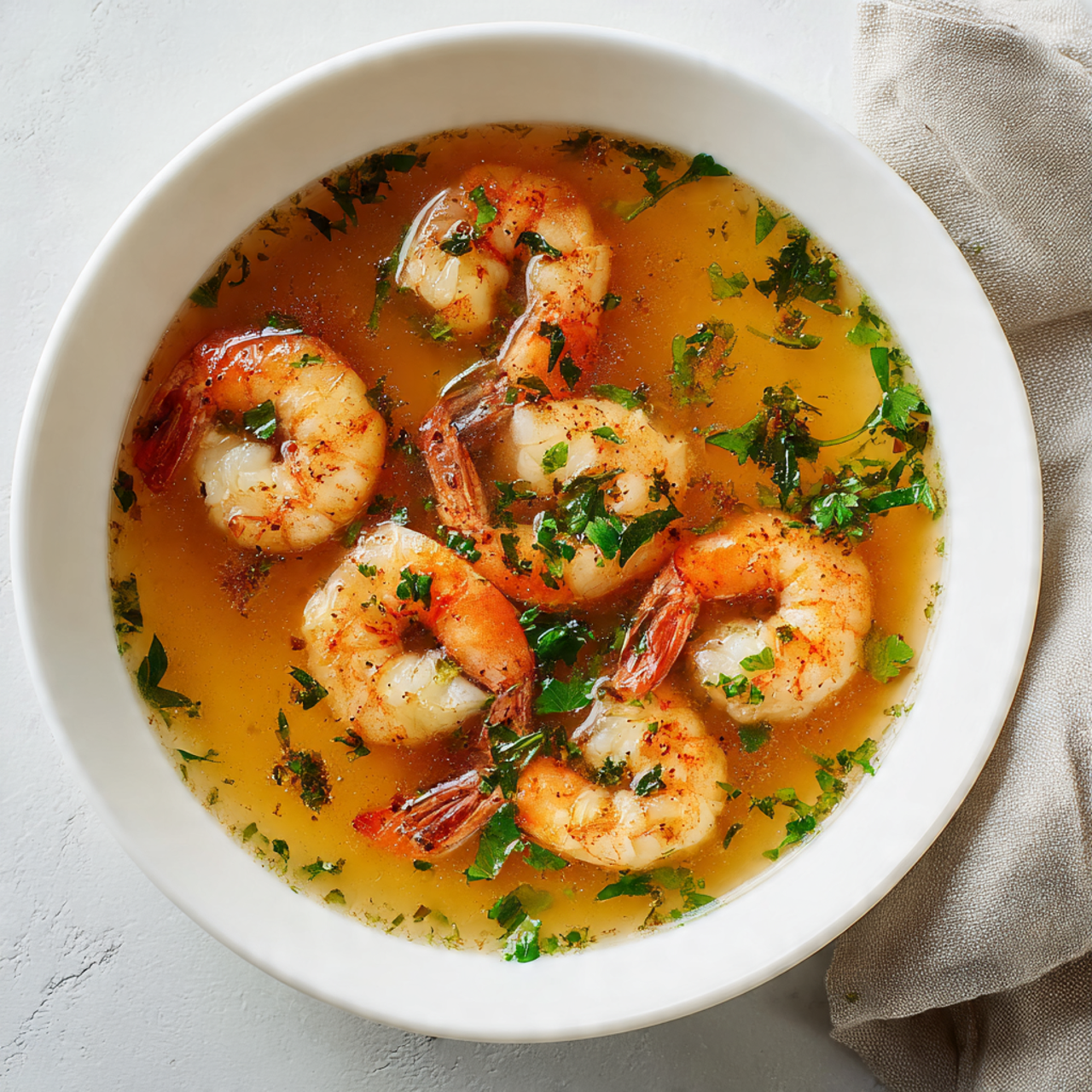
The result is a stock that smells like the ocean and tastes like a restaurant. Use it anywhere you want seafood depth, from a homemade shrimp soup recipe to risotto, paella, bisque, and creamy pasta sauces.
Chef's Tip: Never simmer shrimp stock for more than 35 minutes. Unlike beef or chicken stock, shellfish stock becomes bitter and murky with prolonged cooking. Keep it short and you will keep it bright.
The Shells Are the Star
The best shrimp stock starts with good shells. If you peel raw shrimp regularly, start saving those shells in a zip-lock bag in your freezer. You can collect them over the course of a week or two and make a big batch all at once. Heads included are even better. The paste inside shrimp heads is loaded with concentrated fat and flavor that makes the broth noticeably richer.
What kind of shrimp shells work best? Raw shells from any variety of shrimp work beautifully. Avoid shells from pre-cooked shrimp if possible, since much of their flavor has already been extracted during the cooking process.
Tools and Ingredients That Actually Make a Difference
A reliable stockpot with a heavy bottom is the single most important tool here. It distributes heat evenly so your shells toast rather than scorch, and it holds enough volume for a proper batch. A fine mesh strainer is equally important for a clean, clear broth.
How to Build Deep Flavor, Step by Step
The technique behind a great easy shrimp stock recipe comes down to a few key moments:
- Toast the shells hard. Get your pot hot before the shells go in. You want to hear a sizzle. Let them sit without stirring for a couple of minutes so they develop golden color on the bottom. This is where the flavor lives.
- Add aromatics that complement, not overpower. Onion, celery, carrot, and garlic are the classic base. They add sweetness and body without competing with the shrimp flavor.
- Use tomato paste. A single tablespoon does two things: it deepens the color to a beautiful amber and adds a subtle umami backbone that makes the broth taste finished.
- Deglaze with white wine. That crispy, toasty layer stuck to the bottom of the pot is pure flavor. A splash of dry white wine lifts it all up into the liquid where it belongs.
- Simmer low and slow, but not too long. Gentle heat extracts everything good from the shells. Aggressive boiling and extended simmering extract the bitter compounds instead. Keep it to 30 minutes.
Warning: If your stock starts to smell slightly bitter or muddy before the 30-minute mark, pull it off the heat early and strain it immediately. Freshness of your shells matters, and older shells can over-extract faster.
Uses for Shrimp Stock
Once you have a batch ready, the uses for shrimp stock are nearly endless. Here are some of the best ways to put it to work:
- Homemade shrimp soup recipe: Use it as your soup base with coconut milk, lemongrass, and fresh shrimp for a Thai-inspired bowl.
- Seafood risotto: Swap chicken broth for shrimp stock and the difference is extraordinary.
- Shrimp bisque: The richest, most restaurant-worthy bisque you will ever make starts with a great homemade shrimp broth recipe.
- Paella: Build your socarrat on a foundation of shrimp stock for that authentic depth.
- Pan sauces: Deglaze a shrimp saute pan with a splash of shrimp stock instead of wine for a sauce that is intensely seafood-forward.
Ready to Make It?
This homemade shrimp stock recipe is one of those foundational techniques that quietly elevates everything around it. Once you have a container in your fridge or a few cubes in your freezer, you will reach for it constantly. Here is the complete step-by-step recipe:
Homemade Shrimp Stock from Shells
Learn how to make rich, flavorful shrimp stock from shells in under an hour using scraps you would normally throw away. This easy homemade shrimp broth is the secret base for incredible soups, risottos, and seafood sauces.
Ingredients
- 2 cups shrimp shells and heads, from about 1 lb of shrimp, rinsed
- 1 tbsp olive oil, extra virgin
- 1 yellow onion, roughly chopped, skin on is fine
- 2 celery stalks, roughly chopped, leaves included
- 1 medium carrot, roughly chopped, no need to peel
- 3 garlic cloves, smashed
- 1 tbsp tomato paste, optional but adds depth and color
- 1/2 cup dry white wine, such as Sauvignon Blanc or Pinot Grigio
- 5 cups cold water, filtered preferred
- 3 fresh thyme sprigs, or 0.5 tsp dried thyme
- 4 fresh flat-leaf parsley stems, leaves reserved for another use
- 2 bay leaves, dried
- 1/2 tsp whole black peppercorns
- 1/2 tsp kosher salt, adjust to taste at the end
Instruction
Rinse the shrimp shells and heads thoroughly under cold water and pat them as dry as possible with paper towels.
Heat the olive oil in a large stockpot or Dutch oven over medium-high heat until it shimmers.
Add the shrimp shells and heads in a single layer. Cook without stirring for 2 to 3 minutes, letting them toast and turn pink and lightly golden. Stir and cook for another 2 minutes. This step is essential for building deep, roasted flavor.
Add the onion, celery, and carrot. Stir everything together and cook for 4 to 5 minutes until the vegetables begin to soften.
Stir in the garlic and tomato paste if using. Cook for 1 minute, stirring constantly, until fragrant.
Pour in the white wine and scrape up any browned bits from the bottom of the pot. Let it simmer and reduce by half, about 2 minutes.
Add the cold water, thyme, parsley stems, bay leaves, peppercorns, and salt. Stir to combine.
Bring to a boil over high heat, then immediately reduce the heat to low. Skim off any foam that rises to the surface.
Simmer gently, uncovered, for 25 to 30 minutes. Do not boil aggressively or the stock will turn bitter.
Remove from heat and let the stock cool for 10 minutes.
Strain the stock through a fine mesh strainer into a large bowl, pressing gently on the solids to extract all the liquid. Discard the solids.
Taste and adjust salt. Use immediately, refrigerate for up to 3 days, or freeze for up to 3 months.
Equipment
- Large stockpot or Dutch oven
- Fine mesh strainer
- Large heatproof bowl
- Wooden spoon or silicone spatula
- Ladle
- Airtight storage containers or freezer bags
Notes
Storing and Freezing Your Shrimp Broth
Freshly made stock keeps in the refrigerator for up to 3 days in a sealed container. For longer storage, freeze it in measured portions so you can grab exactly what you need.
The ice cube tray trick is especially useful for small amounts. Pour cooled stock into an ice cube tray, freeze solid, then transfer the cubes to a freezer bag. Each cube is roughly 2 tablespoons, perfect for finishing a pan sauce or adding body to a soup without thawing an entire container.
Frozen shrimp stock keeps beautifully for up to 3 months with no significant loss of flavor.
Pro tip: Label your bags with the date and volume. Future you will be grateful every single time.