Shrimp Scampi Sauce: The Best Lemon Garlic Butter Recipe
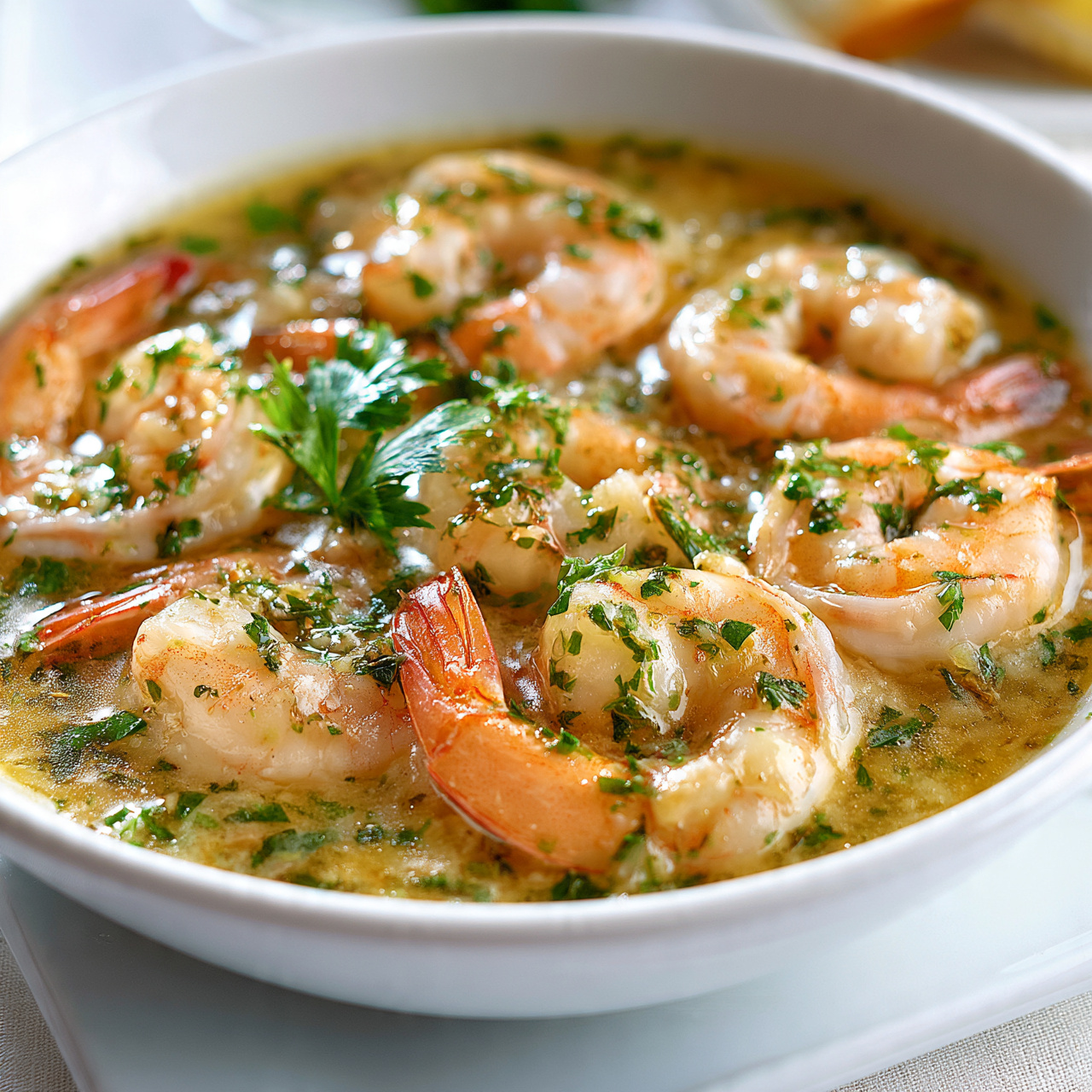
This shrimp scampi sauce is rich, buttery, and loaded with garlic and lemon. Ready in under 30 minutes, it is the ultimate easy skillet shrimp recipe for busy weeknights.

The Shrimp Scampi Sauce You Will Make on Repeat
There are weeknight dinners, and then there is shrimp scampi sauce: the kind of meal that feels like a restaurant splurge but comes together in a single skillet in under 30 minutes. Pools of golden garlic butter, a hit of white wine, bright lemon zest, and tender shrimp that practically melt in your mouth. This is the best scampi recipe for when you want something deeply satisfying without spending an hour at the stove.
If you have ever wondered how to make seafood scampi at home the way a good Italian-American kitchen does it, the answer is simpler than you think. It comes down to a few smart techniques, good butter, and not overcooking your shrimp.
Why This Lemon Garlic Shrimp Meal Works So Well
Scampi sauce is a study in balance. The butter brings richness, the wine lifts it with acidity, the lemon adds brightness, and the garlic ties everything together. When these four elements hit a hot pan in the right order, something genuinely magical happens.
This recipe leans into a classic Italian-American approach, which means a touch more butter and a slightly more generous pour of wine than you might expect. The result is a sauce that clings to pasta beautifully, soaks into crusty bread irresistibly, and makes a simple lemon garlic shrimp meal feel anything but ordinary.
A few things that set this version apart:
- Drying the shrimp before cooking is non-negotiable. It is the difference between a proper sear and sad steamed shrimp.
- Building the sauce in stages means every layer of flavor has a chance to develop properly.
- Finishing with cold butter off the heat gives the sauce that glossy, restaurant-quality texture.
Chef's Tip: Use shrimp that are 16/20 or 21/25 count (per pound). Larger shrimp stay juicy and are much more forgiving in a hot pan than smaller ones.
Choosing the Right Ingredients for Scampi Butter
Learning how to make scampi butter that actually tastes incredible starts with ingredient quality. This is not a long ingredient list, which means every single item pulls its weight.
For the shrimp: Fresh or thawed frozen shrimp both work here. If using frozen, thaw them overnight in the fridge or under cold running water. Wild-caught shrimp tend to have better flavor and firmer texture than farmed varieties.
For the wine: Choose something dry and drinkable, like Pinot Grigio or Sauvignon Blanc. You do not need anything expensive, but avoid anything labeled "cooking wine" as it is loaded with salt and will throw off your seasoning.
For the butter: Unsalted butter gives you control. Go for a European-style butter if you have it on hand as the higher fat content creates an even more luxurious sauce.
Having the right pan also matters more than most people realize. A wide, heavy skillet distributes heat evenly and gives your shrimp room to sear rather than crowd and steam. The right tools and a quality skillet make a genuine difference when you are cooking something this fast and this simple.
How To Make Shrimp Scampi Sauce Step by Step
The whole process moves quickly once you start, so have everything prepped and within arm's reach before the pan hits the heat. This is classic mise en place cooking at its best.
Getting the Shrimp Right
The single most common mistake with easy skillet shrimp recipes is skipping the drying step. Moisture on the surface of the shrimp creates steam, and steam prevents the browning that builds flavor. Pat them thoroughly dry, season lightly, and get them into a hot pan with shimmering oil. Two minutes per side, then out. They will finish in the sauce.
Building the Sauce
Once the shrimp come out, the pan is loaded with flavor. That is exactly where the garlic goes. About 60 seconds over medium heat is all it takes to bloom the aromatics. Then comes the wine, which deglazes all those golden bits from the bottom of the pan and starts building the sauce's backbone.
Let the wine and broth reduce until the liquid looks slightly syrupy, then stir in the lemon juice and zest. The finishing move is mounting the sauce with cold butter, adding it one tablespoon at a time while stirring. This technique, borrowed straight from French and Italian kitchens, creates that glossy, velvety texture that makes people ask what your secret is.
Chef's Tip: Never let the sauce boil after adding the butter. High heat will break the emulsion and leave you with a greasy, separated sauce. Low and slow wins the race here.
Ready to cook? Here is the full recipe with every detail:
Shrimp Scampi Sauce: The Best Lemon Garlic Butter Recipe
This shrimp scampi sauce is rich, buttery, and loaded with garlic and lemon. Ready in under 30 minutes, it is the ultimate easy skillet shrimp recipe for busy weeknights.
Ingredients
- 1 1/2 lb large shrimp, peeled and deveined, tails on or off
- 4 tbsp unsalted butter, divided
- 2 tbsp olive oil, extra virgin
- 6 garlic cloves, finely minced
- 1/2 cup dry white wine, such as Pinot Grigio or Sauvignon Blanc
- 1/4 cup low-sodium chicken broth, substitute more wine or vegetable broth
- 1 lemon, zested and juiced, about 3 tbsp juice
- 1/2 tsp red pepper flakes, adjust to taste
- 3/4 tsp kosher salt, plus more to taste
- 1/4 tsp black pepper, freshly cracked
- 1/4 cup fresh flat-leaf parsley, roughly chopped, for finishing
- 1/4 cup parmesan cheese, freshly grated, optional but recommended
Instruction
Pat the shrimp completely dry with paper towels and season lightly with salt and pepper. Dry shrimp sear instead of steam, which gives you that golden color and better texture.
Heat a large skillet over medium-high heat. Add 1 tablespoon of butter and the olive oil. Once shimmering, add the shrimp in a single layer. Cook for 1 to 2 minutes per side until just pink. Do not overcook. Remove the shrimp to a plate and set aside.
Reduce the heat to medium. Add another tablespoon of butter to the same skillet. Add the minced garlic and red pepper flakes. Saute for about 60 seconds, stirring constantly, until fragrant but not browned.
Pour in the white wine and chicken broth. Stir to scrape up any browned bits from the bottom of the pan. Bring to a simmer and cook for 3 to 4 minutes until the liquid reduces by about half.
Stir in the lemon juice and lemon zest. Reduce the heat to low and add the remaining 2 tablespoons of butter one tablespoon at a time, stirring continuously to create a glossy, emulsified sauce.
Return the shrimp to the skillet and toss to coat. Cook for just 1 additional minute until the shrimp are heated through.
Remove from heat. Stir in the fresh parsley and top with grated parmesan if using. Taste and adjust salt and lemon as needed. Serve immediately over pasta, crusty bread, or rice.
Equipment
- Large skillet or saute pan (12-inch recommended)
- Tongs
- Microplane or zester
- Citrus juicer
- Paper towels
- Cutting board and knife
Notes
Serving Ideas for This Saucy Shrimp Recipe
The classic move is linguine or spaghetti, tossed directly in the pan so the pasta absorbs every drop of that scampi butter. But this easy shrimp recipe is genuinely versatile.
- Serve over creamy polenta for a heartier, colder-weather version
- Spoon over toasted sourdough for a lighter lunch or appetizer
- Toss with zucchini noodles or cauliflower rice to keep it as a simple healthy shrimp recipe
- Pile onto steamed jasmine rice for a quick, satisfying weeknight bowl
However you serve it, finish with a shower of fresh parsley and a little extra lemon zest right before it hits the table. That fresh finish wakes everything up and makes the dish look as good as it tastes.
Variations Worth Trying
Once you have the base scampi recipe down, it is endlessly adaptable. A few favorites:
- Spicy scampi: Double the red pepper flakes and finish with a drizzle of chili oil
- Creamy scampi: Stir in 3 tablespoons of heavy cream after reducing the wine for a richer, silkier sauce
- Tomato scampi: Add a handful of halved cherry tomatoes with the garlic for a bright, summery twist
- Herby scampi: Swap the parsley for fresh basil and add a few tablespoons of capers for a brinier finish
This is genuinely one of those seafood scampi recipes where the technique matters more than strict adherence to a single version. Once you understand the method, the variations write themselves.