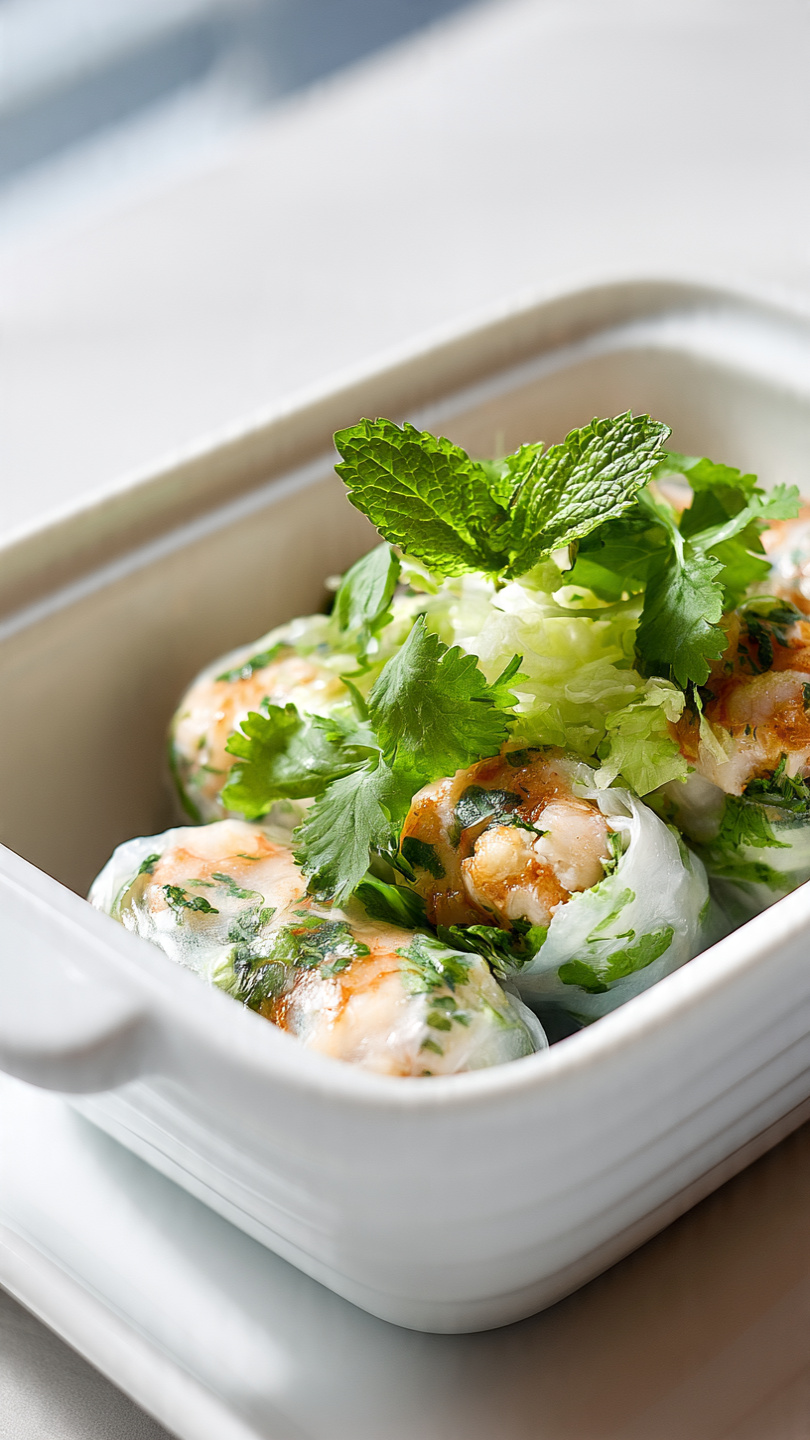
Shrimp Rice Paper Rolls (Fresh Summer Rolls)
These fresh shrimp rice paper rolls are light, vibrant, and packed with crisp vegetables, tender shrimp, and silky rice noodles, all wrapped in delicate rice paper and served with a savory dipping sauce.

The Freshest Thing You Will Make All Summer
If you have ever sat down at a Vietnamese restaurant and ordered a plate of fresh spring rolls only to wonder why you do not make them at home more often, this recipe is your answer. These shrimp rice paper rolls are everything a warm-weather meal should be: light, colorful, endlessly customizable, and genuinely fun to put together. They are the kind of dish that makes everyone at the table lean in.
Unlike fried egg rolls or baked appetizers, these Asian rolls are completely no-cook (aside from a quick shrimp poach and noodle boil). That means minimal heat in your kitchen and maximum freshness on your plate. Whether you are hosting a casual dinner party, meal prepping lunches for the week, or just looking for rice paper roll recipes that the whole family will love, this one belongs in your regular rotation.
Getting the right rice paper wrappers makes a huge difference in how your rolls turn out. Thin, high-quality wrappers hydrate evenly and seal without tearing, and a wide shallow dish gives you full control when softening them. These are the tools and pantry staples worth investing in for the best results:
What Makes a Great Summer Roll
The beauty of a classic summer roll recipe is in its balance. You want a mix of textures and flavors in every single bite: tender shrimp, slippery rice noodles, crisp julienned vegetables, creamy avocado, and a hit of fresh herbs. Each element earns its place.
Here is what sets this recipe apart from others you might find:
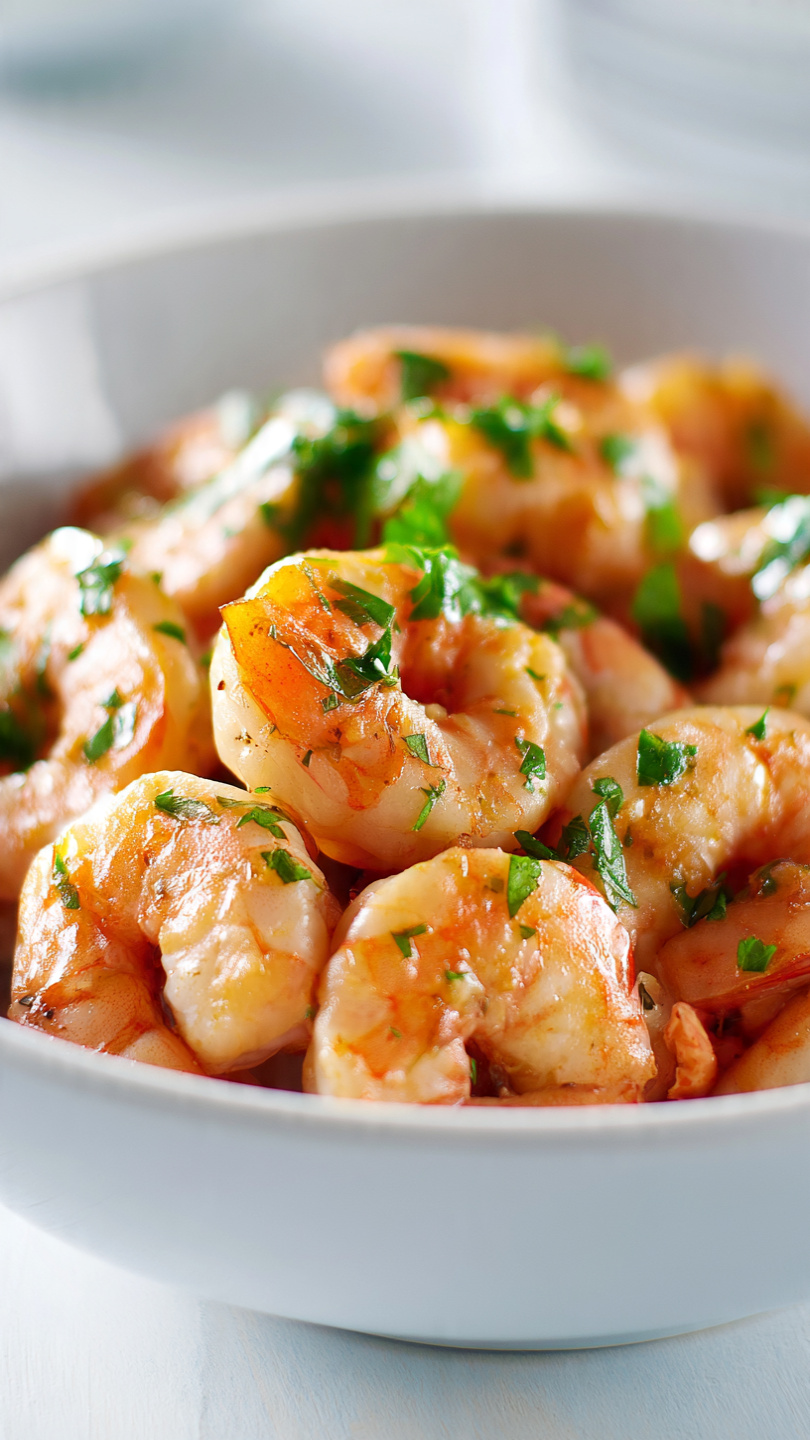
- The shrimp are poached, not boiled to death. Two to three minutes in salted water and immediately transferred to an ice bath keeps them plump, sweet, and perfectly pink.
- The noodles are rinsed cold so they do not clump and stay easy to portion.
- The dipping sauce is a hoisin-peanut blend with just enough lime and garlic to make it craveable on its own. You will want to put it on everything.
Chef's Tip: The single most common mistake when making rice paper wraps is over-soaking the wrapper. Dip it for only 10 to 15 seconds. It should still feel slightly stiff when you lay it down. It will continue to soften as you work, and a slightly underhydrated wrapper is far easier to roll than a soggy one.
How To Make Shrimp Rice Paper Rolls: The Setup
Before you roll a single one, take 10 minutes to set up your station properly. This is the step most recipes skip over, and it is what separates a stressful rolling experience from a smooth one.
Arrange all your prepped fillings in small bowls or piles in front of you, organized in the order you will layer them. Keep a large shallow dish of warm water to your left (or right, if that feels more natural) and a lightly damp, clean kitchen towel flat on your work surface. This is where you will place each soaked wrapper.
Working on a damp towel instead of a dry cutting board prevents sticking and gives you just enough grip to roll tightly without the wrapper bunching.
The Rolling Technique
Think of rolling a rice roll the same way you would fold a burrito:
- Lay your softened wrapper flat.
- Place your shrimp cut-side up first (they will show through the wrapper beautifully).
- Add noodles, lettuce, vegetables, avocado, and herbs in a compact horizontal line, just below center.
- Fold the bottom edge up snugly over the filling.
- Fold in both sides like a letter.
- Roll firmly upward away from you, using gentle but consistent pressure.
The first one or two might not be perfect. That is completely normal. By roll three you will have the rhythm down.
What To Make With Rice Paper Rolls (Beyond This Recipe)
Once you have a package of rice paper wrappers in your pantry, a whole world of recipes with rice paper opens up. You can use the same technique to make:
- Mango and tofu rolls for a sweet, plant-based variation
- Thai peanut chicken rolls with shredded rotisserie chicken and cabbage
- Breakfast rolls with scrambled egg, avocado, and smoked salmon
- Dessert rolls filled with fresh strawberries, Nutella, and banana
The wrapper is neutral enough to work with almost any flavor profile, which makes it one of the most versatile pantry staples you can keep on hand.
Ready to dive in? Here is everything you need laid out in one place:
Shrimp Rice Paper Rolls (Fresh Summer Rolls)
These fresh shrimp rice paper rolls are light, vibrant, and packed with crisp vegetables, tender shrimp, and silky rice noodles, all wrapped in delicate rice paper and served with a savory dipping sauce.
Ingredients
- 1 lb large shrimp, peeled and deveined, fresh or thawed from frozen
- 12 rice paper wrappers, 22cm round
- 3 oz thin rice vermicelli noodles, cooked and cooled
- 12 butter lettuce leaves, washed and dried
- 1 English cucumber, julienned into thin matchsticks
- 1 large carrot, peeled and julienned
- 1 ripe avocado, thinly sliced
- 1/2 cup fresh mint leaves, loosely packed
- 1/2 cup fresh cilantro sprigs, loosely packed
- 4 green onions, thinly sliced on a bias
- 4 cups water, for poaching shrimp
- 1 tsp salt, for poaching water
- 1/4 cup hoisin sauce, for dipping sauce
- 2 tbsp peanut butter, creamy, for dipping sauce
- 1 tbsp lime juice, freshly squeezed
- 2 tbsp warm water, to thin dipping sauce
- 1 garlic clove, minced, for dipping sauce
- 1 tsp sriracha, optional, for heat in dipping sauce
Instruction
Bring 4 cups of water and 1 tsp salt to a boil in a medium saucepan. Add the shrimp and cook for 2 to 3 minutes until they turn pink and curl. Transfer to an ice bath immediately to stop cooking, then drain and pat dry. Slice each shrimp in half lengthwise and set aside.
Cook the rice vermicelli noodles according to the package directions, usually 3 to 5 minutes in boiling water. Drain, rinse under cold water, and set aside.
Make the dipping sauce by whisking together the hoisin sauce, peanut butter, lime juice, warm water, minced garlic, and sriracha in a small bowl until smooth. Adjust consistency with a little more warm water if needed. Set aside.
Set up your rolling station with a large shallow dish of warm water, all your prepped fillings arranged in small bowls, and a clean damp towel to work on.
Dip one rice paper wrapper into the warm water for 10 to 15 seconds until it just starts to soften but is still slightly firm. Lay it flat on the damp towel.
Arrange 3 to 4 shrimp halves cut-side up in a horizontal line just below the center of the wrapper. Layer a small bundle of noodles, a lettuce leaf, a few sticks of cucumber and carrot, a slice or two of avocado, and a few mint and cilantro leaves on top.
Fold the bottom edge of the rice paper up over the filling, then fold in the two sides tightly. Roll firmly upward, away from you, to create a tight, sealed cylinder. Place seam-side down on a plate.
Repeat with remaining wrappers and filling. Serve immediately with the hoisin peanut dipping sauce on the side.
Equipment
- Medium saucepan
- Bowl for ice bath
- Large shallow dish or pie plate for soaking rice paper
- Sharp knife and cutting board
- Small mixing bowl and whisk
- Damp clean kitchen towel or silicone rolling mat
- Serving platter
Notes
Serving, Storing, and Making Ahead
These rolls are best served fresh, ideally within an hour or two of rolling. Arrange them on a platter with the dipping sauce in the center and a few extra lime wedges and herb sprigs for garnish. They are stunning on a table and disappear fast.
If you need to prep ahead, roll each one and wrap it individually in plastic wrap. Store them in a single layer in the fridge for up to 24 hours. Let them come to room temperature for 10 minutes before serving so the rice paper softens back up.
The dipping sauce keeps beautifully in a sealed jar in the refrigerator for up to three days and honestly gets better as the garlic mellows. Make a double batch.
Storage Note: Never stack unwrapped rolls directly on top of each other. The wrappers will stick together and tear when you try to separate them. Individual plastic wrap is the move.
Whether you call them summer roles, Vietnamese spring rolls, or just your new favorite appetizer, one thing is certain: once you learn how to make shrimp rice paper rolls at home, you will never need to wait for a restaurant to enjoy them again.